From Hierarchy to Empathy: Redefining Leadership in the Contact Center
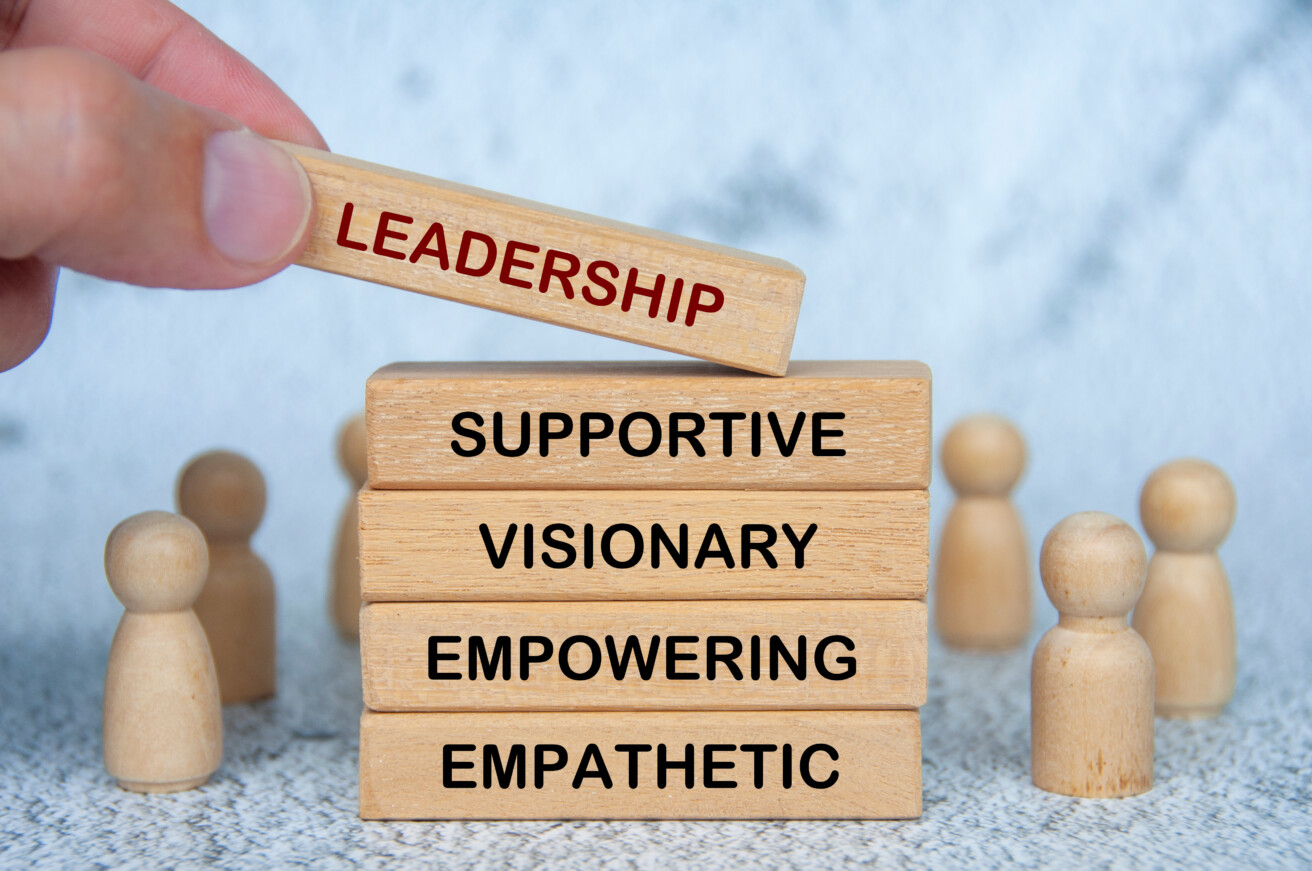
You’ve likely witnessed it before: a contact center manager walking the floor, eyes fixed on screens displaying average handle time (AHT), adherence rates, and call escalations. With each alert, they step in to remind agents to stay on script, shorten calls, and meet targets. This is leadership by monitoring, the traditional hierarchical model that has long shaped the contact center world. Yet this model is fundamentally broken because it fosters a culture of compliance and fear rather than engagement and growth. Agents, under constant scrutiny, focus on avoiding mistakes instead of connecting with customers. The result is predictable: burnout rises, turnover accelerates, and customer interactions become mechanical and impersonal.
The challenge facing contact centers today is a crisis of customer service leadership philosophy and the greatest opportunity for transformation lies in deeper connection. The most significant lever for improving both agent and customer experience is the shift from a model of control to one grounded in empathy. When leaders prioritize understanding over oversight (think listening as closely to their teams as they expect agents to listen to customers) they create environments where people feel valued, empowered, and motivated to deliver genuinely human service.
Empathy as a Performance Multiplier
It’s time we redefine empathy for leaders. The practice of empathy isn’t synonymous with being nice, instead it’s actually the strategic skill of understanding an agent’s challenges (such as frustrating tech, complex customer problems, emotional fatigue) and acting to support them.
Reduces Attrition: Empathetic leaders build trust. Agents who feel supported by their direct manager are significantly less likely to leave.
Boosts CSAT: Agents who receive empathy from their leaders are far better at showing empathy to customers. The agent experience (AX) directly creates the customer experience (CX).
Improves Performance: An empathetic leader asks “What barriers are in your way?” instead of “Why did you fail?” This uncovers and solves root-cause issues (think bad scripts, poor knowledge base) that a hierarchical manager would miss.
The 4 Pillars of Empathetic Customer Service Leadership in Practice
Empathetic leadership is a discipline built on intentional, repeatable behaviors that redefine how leaders connect with their teams. These manager coaching techniques can be organized into four core pillars that guide the shift from control-based management to connection-based leadership. Each pillar represents a practical change in mindset and action, directly influencing agent engagement, performance, and ultimately, the customer experience.
Coach, Don’t Just Correct
In a hierarchical contact center, feedback often takes the form of a performance audit: “Your AHT was 30 seconds too high, and you missed two compliance points. Fix it.” This style of communication reinforces compliance, not capability. It conditions agents to fear metrics rather than focus on mastering the customer interaction. Empathetic leadership reframes this moment entirely. Instead of correction, it focuses on collaboration: “I listened to that difficult call. It sounds like the customer was frustrated before you even spoke. What tools could have helped you find that answer faster? Let’s role-play a better way to de-escalate that.” This approach invites dialogue, problem-solving, and shared learning. By transforming one-on-one meetings from metric reviews into supportive coaching sessions, leaders create space for growth and trust. Quality and performance data become tools for identifying “coachable moments,” not merely evidence of mistakes, turning feedback into a driver of empowerment rather than fear.
Lead with “Human” KPIs
Traditional, hierarchical leadership in contact centers often revolves around a narrow set of efficiency metrics: AHT, adherence, after-call work. These numbers provide operational visibility but fail to capture the human dimensions of service that ultimately drive loyalty and performance. Empathetic leaders expand the definition of success by balancing efficiency with what can be called “human KPIs.” These include positive customer feedback, which reflects emotional connection and quality of care; first contact resolution, a direct indicator of agent empowerment and confidence; and agent satisfaction or eNPS, a measure of how supported employees feel in delivering great service.
By tracking and celebrating these human-centric metrics, leaders send a powerful signal that both people and performance matter. The empathetic approach means celebrating a glowing CSAT comment as enthusiastically as a record-low AHT because one measures efficiency, and the other measures impact. When leaders elevate these human KPIs to the same level of visibility and importance as traditional metrics, they build a culture where empathy, trust, and excellence reinforce each other, rather than compete for attention.
Protect Your Team’s Resilience
In a traditional hierarchical environment, emotional strain is often dismissed with a simple directive: “Shake it off and take the next call.” This mindset treats resilience as an individual trait rather than an organizational responsibility. Empathetic leaders, by contrast, recognize that emotional fatigue and burnout are systemic risks that must be proactively managed. Protecting a team’s resilience means acknowledging the emotional labor inherent in customer service and creating space for recovery and support.
Practical steps include implementing “resilience breaks,” brief pauses after especially difficult interactions that allow agents to reset before returning to the queue. It also means actively soliciting feedback on the policies, tools, and processes that frustrate or exhaust frontline employees, and acting decisively to remove those barriers. Above all, empathetic leaders serve as a shield for their teams, filtering unnecessary corporate pressures, unrealistic expectations, and unproductive urgency. By doing so, they create an environment where agents feel safe, valued, and capable of sustaining high performance over time. Protecting resilience is a strategic necessity for maintaining both agent well-being and customer trust.
Connect Work to a Larger Purpose
Under a hierarchical model, communication about purpose often stops at task-level expectations: “Your job is to answer 80 calls a day.” This framing reduces meaningful work to mechanical output, leaving agents disengaged and disconnected from the broader mission. Empathetic leaders, however, understand that purpose is one of the most powerful drivers of motivation and pride. They help agents see that their role extends far beyond handling calls; it’s about solving real problems, restoring trust, and representing the company’s values in every customer interaction. To bring this to life, empathetic leaders share positive customer stories and testimonials in team meetings, highlighting how an agent’s empathy or creativity directly improved someone’s day. They connect daily tasks to larger organizational goals, showing how each conversation contributes to customer loyalty, brand reputation, and business growth. When agents understand the “why” behind their work, their sense of ownership, engagement, and fulfillment deepens. Connecting work to purpose transforms the contact center from a production floor into a mission-driven environment—one where people don’t just handle calls, they make a difference.
Learn More at Orlando Customer Contact Week
This shift is a strategic necessity. Because the contact center is the hub of the customer experience, a new kind of customer service leadership is required. The single greatest investment you can make in your CX is investing in the emotional intelligence and empathetic skills of your frontline managers. Learn more at Orlando Customer Contact Week. Happening from Wednesday, January 21, through Friday, January 23, 2026, the Orlando schedule is packed with creative panels, networking events, and inspiring speakers who are leaders from across the customer contact sector.
This is where customer experience professionals come to solve real challenges and shape the future of service. Invest in your development, spark transformation within the organization, and walk away with a renewed vision for what’s possible in customer experience. We can’t wait to see you there this winter. Questions? Reach out to our team.