Journey Mapping in Action: How Leading Brands Elevate Every Touchpoint
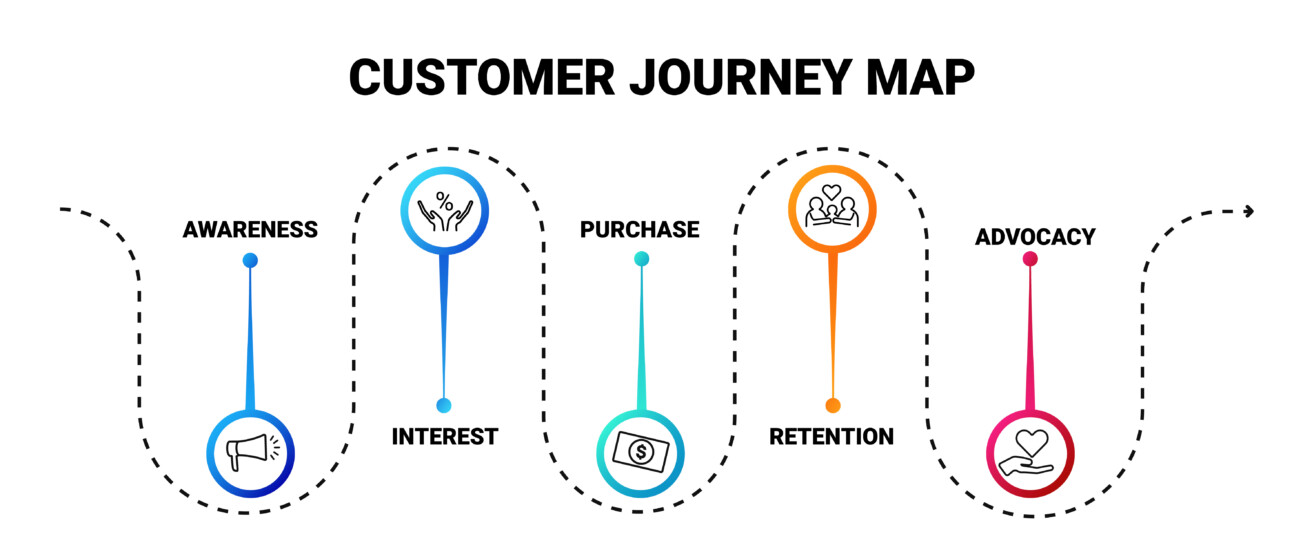
Many organizations fall into the “dusty map” trap, meaning they pour time and resources into beautifully detailed customer journey maps that ultimately get rolled up, forgotten, and buried deep in a shared drive. The truth is that a journey map is a diagnostic tool, and the real divide between average brands and market leaders isn’t who has a map, but who acts on it. True impact happens when customer experience journey mapping evolves from a one-time workshop exercise into a living, continuously updated part of operational strategy. The key is bringing these maps to life by turning insights into meaningful improvements at the touchpoints that matter most.
The “So What?” Problem: Why Most Journey Maps Fail
Journey mapping must be treated as more than a visualization exercise because a map without an execution plan is just a poster. Too often, these maps are built within marketing and never meaningfully adopted by support, operations, or product teams. This results in siloed views that limit their impact. The missing link is the connection between the high-level picture and the ground-level reality: the data, processes, and people who shape the experience every day. When that connection isn’t made, friction points persist, and customers continue to feel the gap between the brand promise and the experience they actually receive.
Anatomy of an Actionable Map: 3 Layers of Depth
An actionable journey map goes far beyond a surface-level outline of steps to capture the deeper forces shaping the customer experience across three essential layers.
Layer 1: The Emotional Graph focuses on how customers feel at each moment. Leading brands track emotional highs and lows to pinpoint the “moments of truth” that have outsized impact on customer loyalty. This lens reveals where reassurance, clarity, or delight can transform an ordinary interaction into a standout experience.
Layer 2: The Operational Reality digs into what’s happening behind the scenes to influence those emotions. Every touchpoint is supported (or hindered) by internal processes, systems, and policies. If customers repeatedly express frustration at checkout, for example, the map should trace that sentiment back to the exact operational root whether it’s an outdated payment system, inconsistent staffing, or a rigid policy.
Layer 3: The Data Overlay brings the map fully to life by integrating real metrics such as NPS, CSAT, and operational KPIs. Instead of a static artifact, the map becomes a living dashboard that shows experience health in real time. When these three layers work together, journey maps evolve into powerful tools that diagnose issues, reveal opportunities, and guide meaningful action.
Strategies from the Leaders: How to Elevate Touchpoints
Leading brands use journey maps as strategic tools to actively elevate every touchpoint.
Strategy 1: Proactive Friction Hunting is about anticipating customer pain before it escalates. Instead of waiting for complaints, CX leaders analyze the map to predict where effort spikes or anxiety may occur (whether during onboarding, returns, or checkout) and implement fixes that smooth the path before customers stumble.
Strategy 2: Cross-Functional “Swarm” Teams break down the silos that often limit journey map impact. Ownership of specific stages shifts from a single department to a cross-functional team as marketing, sales, and support collaborate to “swarm” a touchpoint, combining expertise to redesign and improve the experience holistically.
Strategy 3: Closing the Feedback Loop ensures that journey mapping drives measurable outcomes. Leading brands validate changes by tracking whether tweaks actually improve customer sentiment, operational efficiency, or key metrics. By integrating real-time feedback, the map becomes an iterative engine of continuous improvement. Together, these strategies turn journey mapping from a conceptual exercise into a practical, action-oriented approach that drives customer loyalty, reduces friction, and ensures that each interaction consistently reflects the brand promise.
Learn More at Orlando Customer Contact Week
Journey mapping is a verb, not a noun. It requires constant attention, data integration, and cross-team collaboration. When executed correctly, customer experience journey mapping reveals opportunities to delight customers and differentiate the brand.
Interested in learning more? Register for Orlando Customer Contact Week. Happening from Wednesday, January 21, through Friday, January 23, 2026, the Orlando schedule is packed with creative panels, networking events, and inspiring speakers who are leaders from across the customer contact sector.
This is where customer experience professionals come to solve real challenges and shape the future of service. Invest in your development, spark transformation within the organization, and walk away with a renewed vision for what’s possible in customer experience. We can’t wait to see you there this winter. Questions? Reach out to our team.